What happens to the waste at our schools?
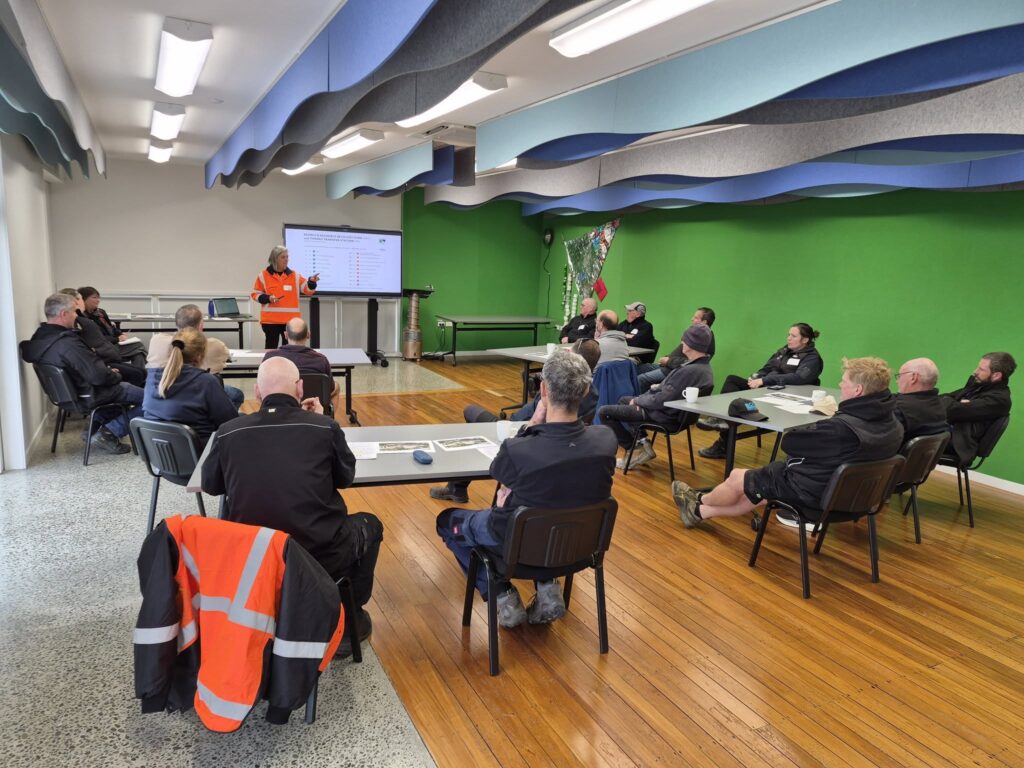
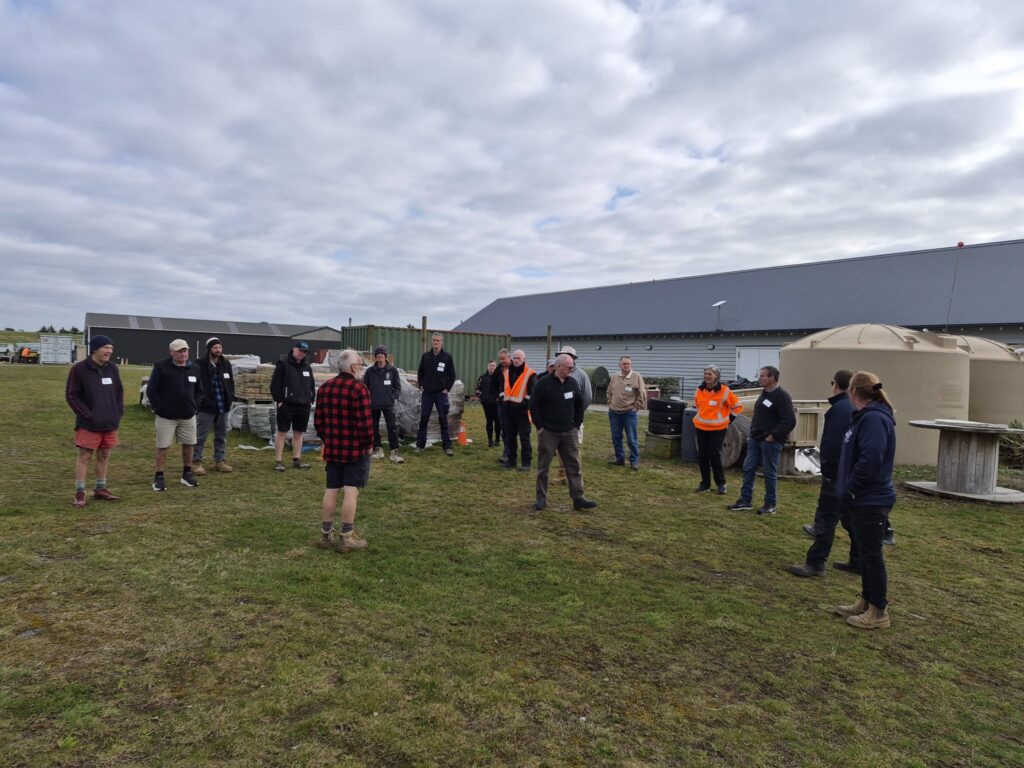
We recently brought together 17 caretakers and gardeners from 13 local schools for our annual Caretakers Waste Workshop – and it was a great reminder that what happens to our waste at school is a team effort.
Managing waste from hundreds of students, staff and whānau every day is no small job. Our caretakers are often the people dealing with the bins, recycling, garden waste and everything in between, but they can’t do it alone.
♻️ It starts with understanding our waste
Corrie Andrews, Waste Minimisation Educator from Enviro NZ, led a session on waste and recycling, including what can and can’t go to the transfer station. There were plenty of questions and discussion about the challenges schools face.
One of the biggest messages from the workshop was that waste minimisation needs to be a whole-school approach.
It’s not just the caretaker’s job.
Staff, students, cleaners, leadership and whānau all have a role to play. Having the right bins available, knowing what goes where, reducing what we buy and, importantly, having adults role-model good habits can all make a difference.
Corrie is also available to support schools individually with waste education and waste audits free of charge.
🌿 Gardens are part of the picture too
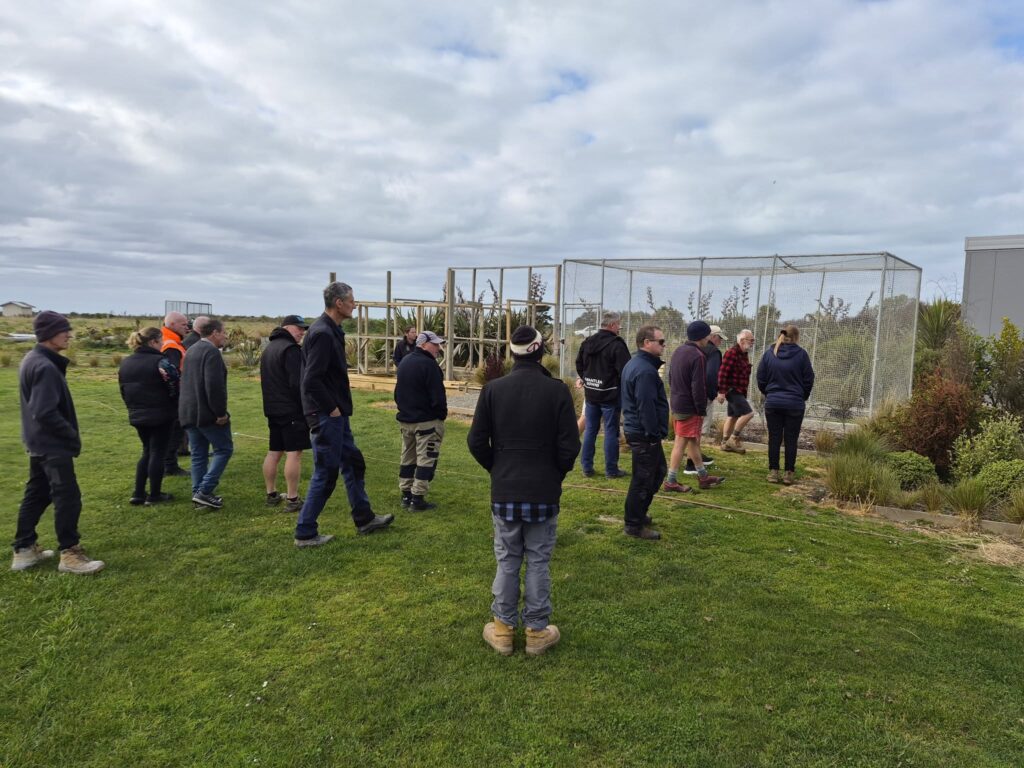
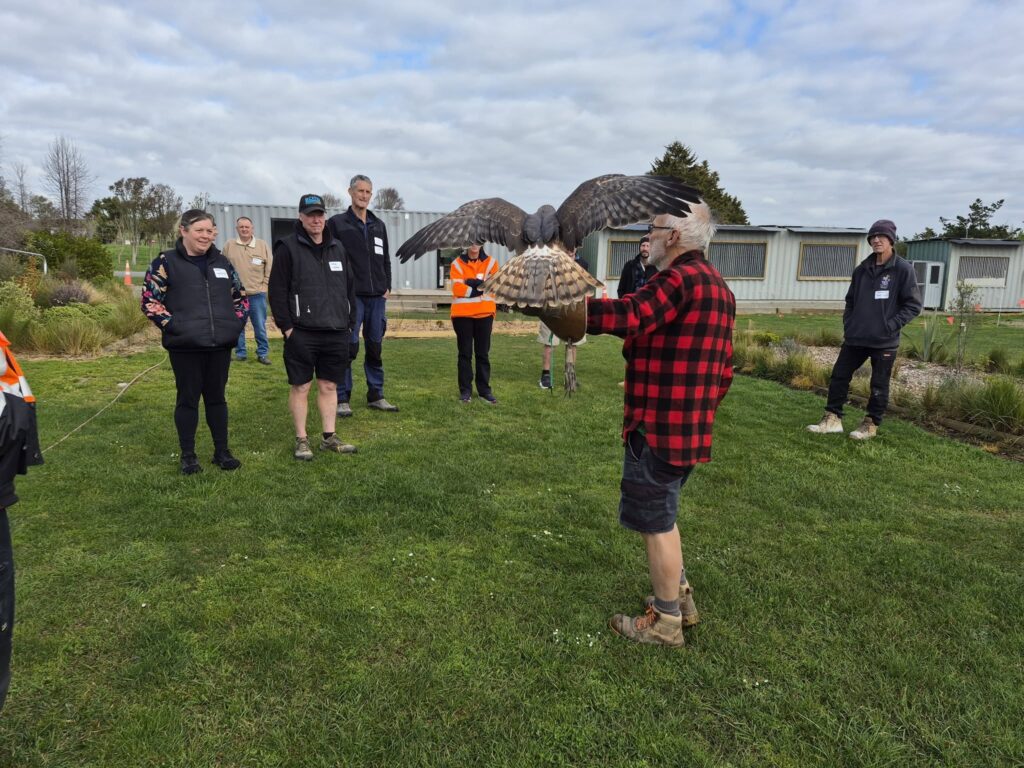
Ron Lindsay took everyone on a tour of the Eco Centre gardens and Raptor Trust, sharing his knowledge about native plants and how they can be used effectively in school grounds.
School gardens can be more than just somewhere to plant things. They can provide opportunities for learning, biodiversity, food growing and connecting students with the natural world.
💡 What is working? What could be better?
The group spent time brainstorming four simple questions:
What are you doing now that works well?
What gets in the way?
What could you change in the short term?
What would you love to see change in the long term?
There were some great examples shared, including successful composting systems, student rubbish rosters, garden projects and ideas for motivating students through house points and environmental challenges.
There was also plenty of discussion about the challenges – including waste separation in classrooms, cleaning contractors, staffroom waste, green waste and how to get everyone on board.
🌏 Our students are part of the solution
One idea we would love to see more schools consider is creating a student environmental leadership role or Green Team.
Just like a sports captain, students can take responsibility for helping their school become more sustainable. They could monitor bins, run waste reduction challenges, encourage their peers, share ideas or help with gardens and biodiversity projects.
It gives students ownership – and helps develop the environmental leaders we need for the future.
Our annual Eco Leaders Hui also provides an opportunity for primary school student leaders to learn, share ideas and take action in their schools.
🌏 Take it beyond the school gates
We’d personally love to see more schools adopt a nearby green space and help keep it free from litter.
Cleaning up a local reserve, stream or walkway (even a footpath) is a feel-good activity that shows students the immediate impact of their actions. That pride can then bounce back into their own school grounds, helping them recognise how litter affects biodiversity and the places they live and play.
It can also start conversations at home, encouraging students and whānau to think differently about their waste. A simple clean-up can help create lasting changes in habits – at school, at home and across our community.
💰 Better for the environment – and the school budget
Reducing waste isn’t just good for the environment. It can also save schools money.
The less waste a school produces, the less it needs to pay to dispose of. And when recyclable or reusable materials are kept out of the general waste stream, we get more value from the resources we’ve already used.
But perhaps the biggest opportunity is simply buying less in the first place.
Waste minimisation starts long before something reaches the bin.
👨👩👧👦 We all have a part to play
The workshop was a great reminder that everyone influences what happens to our waste.
If students are taught to separate their waste but see adults throwing everything into one bin, the message is lost.
If a school provides recycling bins but doesn’t explain what goes in them, contamination is likely.
If we want our tamariki to grow up caring for their environment, we need to give them the knowledge – and show them through our own actions.
Small changes, made by lots of people, can add up to a big difference.
A huge thank you to the 13 schools who released their busy caretakers and gardeners to attend, and to Enviro NZ for sponsoring the kai.
And if you’re looking for some inspiration, check out Highfield School’s plastic-in-lunchboxes experiment – a simple activity that could easily be replicated in other schools.
Watch the Highfield School video
You can also check out Young Ocean Explorers’ 21-day challenge, which explores where litter can end up and provides a great classroom activity.
Young Ocean Explorers – 21 Day Challenge
What could your school do differently with its waste?